Derek Ma, MSc
I remember first hearing about PFAS as a “chemical of emerging concern” at a toxicology conference in Southern California.
PFAS went from a vague buzzword to something that genuinely keeps many scientists up at night, especially as we started to realize that these compounds are already in drinking water, human blood, and ecosystems all over the world.
At the time, they felt like just another line item in a long list of contaminants that I monitor for, but every new study since has painted a clearer, more unsettling picture: PFAS don’t really break down, they build up in our bodies, and they’re now linked to cancer, immune suppression, metabolic disease, and developmental harms at incredibly low levels.
It’s the combination of persistence, global spread, and the fact that regulators are setting parts‑per‑trillion drinking water limits that really drives home how potent these chemicals are, and how late we are to the problem.
What are PFAS or “Forever Chemicals”?
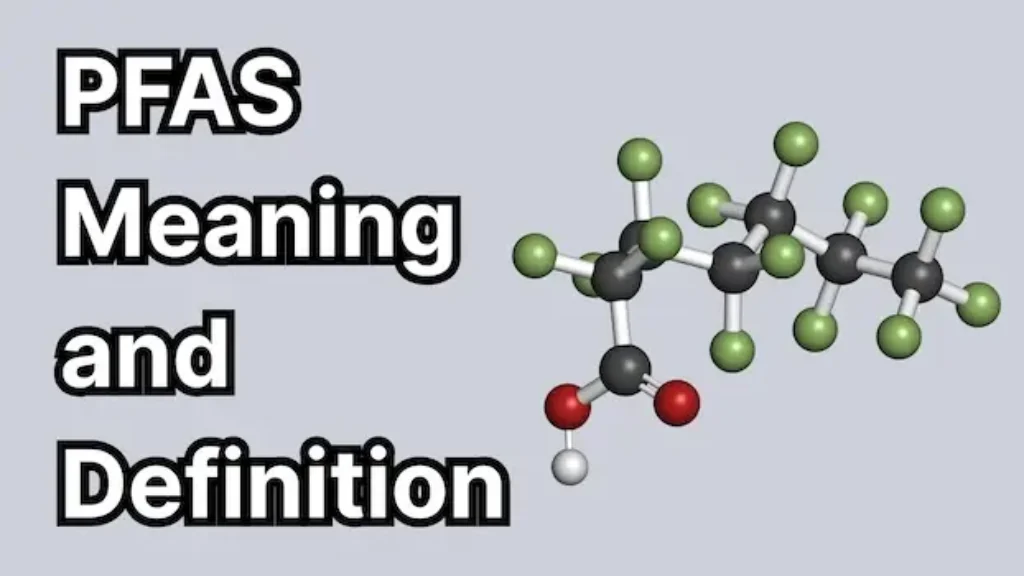
PFAS (per‑ and polyfluoroalkyl substances) are a large family of thousands of synthetic chemicals used since the 1940s to make products resistant to water, oil, and stains, and to create specialized industrial surfactants.
They have an extremely strong carbon‑fluorine backbone, which makes them thermally stable, very resistant to degradation, and able to persist for years to decades in groundwater, surface water, and the human body.
If you want to go deeper into what PFAS are, how they move through water, and practical ways to lower your exposure, you can read the full PFAS guide on NonToxicOnly: “PFAS: Meaning, Definition, and How to Avoid.”
Some of the legacy PFAS (like PFOA and PFOS) have been phased out in U.S. manufacturing, but they remain globally widespread in water and are often replaced with newer, less‑studied PFAS that can be just as mobile and persistent.
How PFAS gets into drinking water
PFAS reach drinking water long before anyone turns on a tap or opens a bottle. They are used in firefighting foams, industrial processes, oil and gas operations, food‑contact materials, textiles, and many other applications, and then slowly migrate into nearby soils and water.
| Step in pathway | How PFAS are used or released | How PFAS end up in tap and bottled water |
| Everyday and industrial use | PFAS are used in firefighting foams, industrial processes, oil and gas operations, food‑contact materials, textiles, and many other products. | These uses create PFAS‑containing wastes, spills, and emissions that can reach nearby soils, air, and water over time. |
| Fire training sites and airports | Aqueous film‑forming foams (AFFF) have been used for decades for fire training and emergencies on runways and training grounds. | Foam residues soak into soil and slowly seep PFAS into groundwater and surface water that may feed drinking‑water sources. |
| Industrial discharges | Facilities that make or use PFAS‑containing products (like fluoropolymers, metal plating, paper, or textiles) can discharge PFAS in wastewater and stormwater. | These discharges release PFAS to rivers, lakes, and municipal sewers, where they can enter downstream drinking‑water intakes. |
| Landfills and waste sites | PFAS‑treated products, sludges, and biosolids are disposed of in landfills and waste handling sites, where they gradually break down. | PFAS leach from waste into landfill leachate and surrounding groundwater, which can migrate toward wells, streams, and reservoirs. |
| Wastewater treatment plants | Plants receive PFAS from households and industry but are not designed to remove them, so PFAS pass through treatment. | PFAS remain in treated effluent discharged to rivers and in biosolids spread on fields, allowing PFAS to re‑enter watersheds and aquifers. |
| Transport in the environment | Once in rivers, lakes, aquifers, or reservoirs, PFAS are highly water‑soluble and persistent, so they move with the water and do not readily break down. | PFAS mix into raw water that supplies municipal systems and bottled‑water sources, and conventional treatment (sedimentation, chlorination, standard filtration) removes very little. |
Why Regulators Are Worried About PFAS in Drinking Water
Drinking water is a major exposure route because PFAS migrate from industrial discharges, firefighting foam use, and contaminated soils into groundwater and surface water used for supply. (3🍃)
EPA has set very stringent national drinking water limits for several PFAS and in 2024 designated PFOA and PFOS as hazardous substances under Superfund, reflecting concern that adverse effects can occur at much lower doses than previously thought. (4🍃)
What is known about the health risks of PFAS?
Epidemiological and toxicological studies link certain PFAS (especially PFOA and PFOS) with increased cholesterol, liver damage, thyroid disease, immune changes, pregnancy‑related hypertension, lower birth weight, and reduced vaccine response in children. (1🍃)
Some PFAS are considered likely carcinogens; PFOA exposure is associated with higher risks of kidney and testicular cancer, and PFOS with liver cancer, with recent analyses estimating thousands of PFAS‑attributable cancer cases per year in the U.S. (2🍃)
PFAS don’t just target one organ or pathway—they show up across the immune system, metabolism, hormones, development, and even cancer risk.
| Health area | Specific effects linked to PFAS exposure | Notes on evidence / populations |
| Immune system | Reduced antibody response to vaccines; increased frequency of infections in children. (4🍃) | Strongest data in children from highly exposed communities and cohort studies. |
| Immune / inflammatory | Higher rates of asthma and other allergic or inflammatory conditions; general immunotoxic effects. (4🍃) | Supported by human epidemiology and animal toxicity studies. (4🍃) |
| Metabolic / cholesterol | Increased total and LDL cholesterol; adverse lipid profiles; links to obesity and metabolic changes including type 2 diabetes. (4🍃) | Associations seen at relatively low serum PFAS levels in several large cohorts. (4🍃) |
| Liver | Elevated liver enzymes; fatty liver changes; broader liver disease signals. (4🍃) | Consistent animal hepatotoxicity plus human biomarker changes. (4🍃) |
| Hormonal / thyroid | Thyroid disease and hypothyroidism; disruption of thyroid hormone signaling. (4🍃) | Sensitive in pregnancy, infants, and those with pre‑existing thyroid issues. (3🍃) |
| Endocrine / growth | Altered puberty timing, growth patterns, and other endocrine‑mediated changes in children. (4🍃) | Seen in birth and child cohorts with measured PFAS serum levels. (4🍃) |
| Reproductive (adult) | Reduced fertility; pregnancy‑related hypertension and preeclampsia. (3🍃) | Observed in exposed communities and occupational or contaminated‑water cohorts. (3🍃) |
| Developmental (fetus/child) | Slightly lower birth weight; altered fetal growth; possible neurodevelopmental impacts such as lower IQ and cognitive changes. (4🍃) | Classified as developmental toxicants in several reviews; effects often subtle but widespread. (4🍃) |
| Cancer | Increased risk of kidney and testicular cancers (especially with PFOA); signals for liver and prostate cancers. (4🍃) | PFOA classified as carcinogenic and PFOS as possibly carcinogenic, based on human and mechanistic data. (4🍃) |
| Overall risk factors | Effects depend on dose, duration, PFAS mixture, and individual susceptibility (age, existing disease, genetics). (4🍃) | Highest concern for communities with long‑term contaminated drinking water and certain occupations. (4🍃) |
Mounting evidence that PFAS exposure is linked to serious health problems has been a major driver of litigation, especially where companies are alleged to have known about these risks and failed to warn the public.
Studies and government complaints cite associations between PFAS and health risks described in the table above, which has fueled claims for personal injury, medical monitoring, and the massive costs of cleaning contaminated drinking water and ecosystems. (5🍃)
Major PFAS lawsuit outcomes
Several major PFAS cases have resulted in multi‑million and even multi‑billion‑dollar settlements, mostly involving drinking water contamination and AFFF firefighting foam exposure.
The table below highlights some of the most prominent, successful PFAS lawsuits and settlement agreements to date.
| Year & defendants | Type of case / exposure | Settlement / verdict outcome (approx.) |
| 2023 – 3M Company | Nationwide drinking water contamination (AFFF‑related PFAS) | Up to about $10–12.5 billion to U.S. public water systems. (9🍃) |
| 2023 – DuPont, Chemours, Corteva | PFAS in public water systems (AFFF and industrial releases) | Around $1.18–1.19 billion global settlement for affected water systems. (9🍃) |
| 2024 – BASF Corporation | PFAS contamination of drinking water sources | About $316.5 million settlement with U.S. public water systems. (10🍃) |
| 2024 – Tyco (and related AFFF defendants) | AFFF‑related contamination of public water systems | About $750 million settlement with public water systems. (9🍃) |
| 2024 – Carrier Global / Kidde‑Fenwal | AFFF‑related PFAS contamination (water/soil) | About $730 million to resolve firefighting foam contamination claims. (9🍃) |
| 2025 – DuPont, Chemours, Corteva / State of New Jersey | State natural resource damages and PFAS pollution at multiple sites | About $875 million in cash plus remediation fund up to roughly $1.2 billion (total potential over $2+ billion). (11🍃) |
| 2025 – 3M Company / State of New Jersey | State PFAS natural resource damages and AFFF‑related claims | Up to about $450 million to resolve present and future PFAS contamination claims. (9🍃) |
How to reduce your exposure and avoid PFAS in drinking and tap water
Reverse osmosis, high‑quality activated carbon, and ion‑exchange filters are the only home technologies reliably shown to cut PFAS to meaningful levels. (12🍃)
How Reverse Osmosis water filters work against PFAS
Reverse Osmosis forces water through a semi-permeable membrane with pores around 0.0001 micron, much smaller than PFAS molecules, so PFAS are excluded by size and structure. (13🍃)
High-pressure membranes like reverse osmosis are classified as “tight” membranes and are described by EPA as extremely effective for PFAS removal compared with looser membranes. (14🍃)
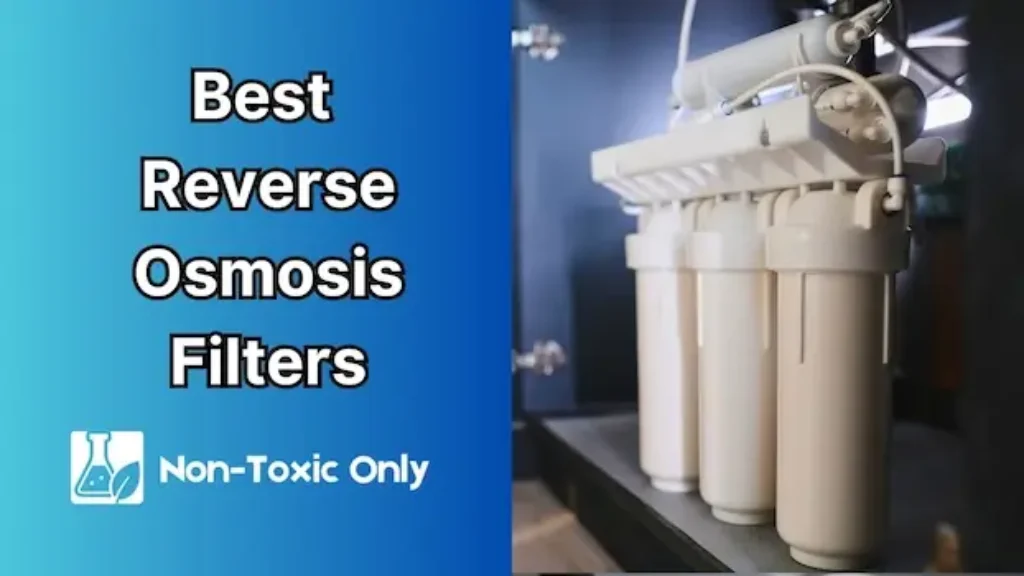
Discover how reverse osmosis water filters can dramatically reduce PFAS and other contaminants in your drinking water—You can check my personal recommendations for best reverse osmosis water filters.
How high-quality activated carbon works against PFAS
High-quality activated carbon works against PFAS by adsorbing PFAS molecules onto its enormous internal surface area.
Its pore structure and surface chemistry create favorable conditions for PFAS to stick to the carbon rather than stay dissolved in water. (15🍃)
How ion-exchange filters work against PFAS
Ion exchange filters are made of resin beads that are “PFAS magnets.”
The filter is full of beads that carry a positive charge on their surface. (16🍃)
PFAS in water usually carry a negative charge, so they are attracted to and stick to these beads, like opposite poles of a magnet. (16🍃)
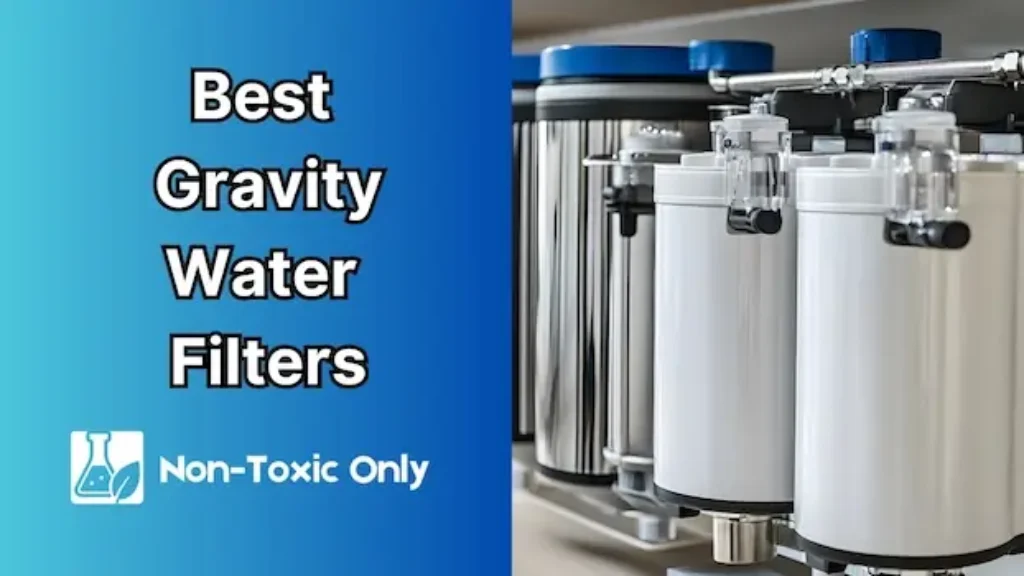
If you want to dive deeper into water filters that use activated carbon and ion exchange to tackle PFAS and other contaminants, check out the in‑depth water filter guides and recommendations on water filter pitchers and gravity-fed water filter systems.
How common is PFAS in drinking water?
In many U.S. systems, total PFAS are in the 1–10 ng/L range, but concentrations can be much higher near industrial sites, landfills, airports, or military bases. (17🍃)
The number of unregulated PFAS is far larger than the six regulated compounds; current methods can detect dozens of PFAS, yet there are thought to be over 12,000 PFAS variants, many of which are not routinely monitored. (18🍃)
Prevalence in U.S. Tap and Drinking Water
A 2023 U.S. Geological Survey‑led study estimates that at least 45% of U.S. tap water supplies contain at least one PFAS above detection limits, with even higher shares in urban areas. (19🍃)
Other modeling suggests that roughly 70–95 million Americans may receive drinking water with detectable PFAS, especially from untreated or lightly treated groundwater sources. (20🍃)
Half of people in a Southern California study lived in areas where at least one PFAS was detected in their public‑water‑system supply, and those detections correlated with higher serum PFAS levels. (21🍃)
Private wells and untreated groundwater
Private wells are usually not covered by federal drinking‑water rules, which means no one is automatically checking them for PFAS.
Well owners are responsible for ordering their own water tests and installing treatment if a problem is found, such as a home RO or advanced carbon system.
Recent national groundwater studies suggest that roughly 1 in 8 people in the U.S. use untreated well water that contains detectable PFAS, and in some places those levels are well above the new health‑based limits set for public water systems. (20🍃)
References
- 🍃“PFAS – Perfluoroalkyl and Polyfluoroalkyl Substances.” U.S. Department of Veterans Affairs, Public Health, www.publichealth.va.gov/exposures/pfas.asp.
- 🍃“Per- and Polyfluoroalkyl Substances (PFAS) in Tap Water.” Mass.gov, Commonwealth of Massachusetts, www.mass.gov/info-details/per-and-polyfluoroalkyl-substances-pfas-in-tap-water.
- 🍃“Our Current Understanding of the Human Health and Environmental Risks of PFAS.” U.S. Environmental Protection Agency, www.epa.gov/pfas/our-current-understanding-human-health-and-environmental-risks-pfas.
- 🍃Sunderland, Elsie M., et al. “Per- and Polyfluoroalkyl Substance Toxicity and Human Health Review: Current State of Knowledge and Strategies for Informing Future Research.” Environmental Toxicology and Chemistry, vol. 38, no. 2, 2019, pp. 291–305. PubMed Central, pmc.ncbi.nlm.nih.gov/articles/PMC7906952/.
- 🍃Modjeska, Deborah J., and Scott R. Fulton. “PFAS Lawsuits on the Rise: Trends, Risks & Takeaways.” Steptoe & Johnson LLP, 25 July 2023, www.steptoe.com/en/news-publications/pfas-lawsuits-on-the-rise-trends-risks-and-takeaways.html.
- 🍃“Tap Water Study Detects PFAS ‘Forever Chemicals’ across the US.” U.S. Geological Survey, 4 July 2023, www.usgs.gov/news/national-news-release/tap-water-study-detects-pfas-forever-chemicals-across-us.
- 🍃“PFAS Potentially Contaminate Water for 95 Million Americans.” Earth.org, 14 Nov. 2024, earth.org/pfas-potentially-contaminate-water-for-up-to-95-million-americans-study/.
- 🍃“PFAS in Drinking Water – Environmental and Energy Law Program.” Harvard Law School Environmental and Energy Law Program, eelp.law.harvard.edu/tracker/pfas-in-drinking-water/.
- 🍃“PFAS Settlements: January 2026 Updates.” Drugwatch, www.drugwatch.com/pfas-lawsuits/water-contamination/settlements/.
- 🍃“BASF Settles with US Water Systems for $316M over PFAS Contamination.” Environmental Science & Engineering Magazine, 12 Dec. 2025, esemag.com/water/basf-settles-with-us-water-systems-for-316m-over-pfas-groundwater-contamination/.
- 🍃“DuPont, Chemours and Corteva to Pay $875 Million to New Jersey over PFAS Pollution Claims.” CHEM Trust, 10 July 2024, chemtrust.org/news/chemical_companies_pay_new_jersey_over_pfas/.
- 🍃“Home Water Treatment for PFAS.” Penn State Extension, The Pennsylvania State University, extension.psu.edu/home-water-treatment-for-pfas.
- 🍃“Remove PFAS with Reverse Osmosis | Crystal Quest Guide.” Crystal Quest Water Filters, crystalquest.com/blogs/membrane-filtration/reverse-osmosis-for-pfas.
- 🍃“Reducing PFAS in Drinking Water with Treatment Technologies.” U.S. Environmental Protection Agency, EPA Science Matters, www.epa.gov/sciencematters/reducing-pfas-drinking-water-treatment-technologies.
- 🍃“PFAS.” Calgon Carbon Corporation, www.calgoncarbon.com/pfas/.
- 🍃Rahman, Mohammad Farhadur, et al. “PFAS Removal by Ion Exchange Resins: A Review.” Science of the Total Environment, vol. 752, 2021, article 141846. ScienceDirect, www.sciencedirect.com/science/article/abs/pii/S0045653521002460.
- 🍃“700+ Military Bases with Contaminated Water: Health Risks and Legal Actions.” PFAS Water Experts, 6 May 2025, pfaswaterexperts.org/military-bases-with-contaminated-water/.
- 🍃“PFAS Regulations.” GreenSoft Technology, Inc., 7 Aug. 2025, www.greensofttech.com/resources/pfas-regulations/.
- 🍃“Tap Water Study Detects PFAS ‘Forever Chemicals’ across the US.” U.S. Geological Survey, 4 July 2023, www.usgs.gov/news/national-news-release/tap-water-study-detects-pfas-forever-chemicals-across-us.
- 🍃McMahon, Peter B., et al. “Predictions of Groundwater PFAS Occurrence at Drinking Water Supply Depths in the United States.” Science, vol. 384, no. 6694, 2024, eado6638, www.science.org/doi/10.1126/science.ado6638.
- 🍃Wu, Xiaoxiao, et al. “Associations between PFAS in Public Water System Drinking Water and Serum among Southern California Adults.” Journal of Exposure Science & Environmental Epidemiology, 2025, www.nature.com/articles/s41370-025-00817-8.
Read Next
The Truth About Microplastics in Bottled Water
Top 5 Best Water Filter Pitchers

Top 4 Best Reverse Osmosis Water Filters
The Best Water Filters of 2026 (from a Scientist)

Top 5 Best Gravity Fed Water Filter Systems
Top 5 Best Filtered Water Bottles
Top 10 Best Non Toxic Laundry Detergents
Top 5 Best Non Toxic Dishwashing Detergents
Top 10 Best Non Toxic Cutting Boards

Top 5 Best Non Toxic Hand Soaps


What is FD&C Red 40 Made of and its Side Effects?
What Is Yellow 5 (Tartrazine) and is it Bad for You?
What Is FD&C Blue 1 and is it Bad for You?
What are Parabens & Why are They Bad? From a Scientist

PFAS: Meaning, Definition, and How to Avoid
What are Phthalates? Pronunciation and Definition

What is Fragrance Made of? Ingredients List & Health Risks