Derek Ma, MSc
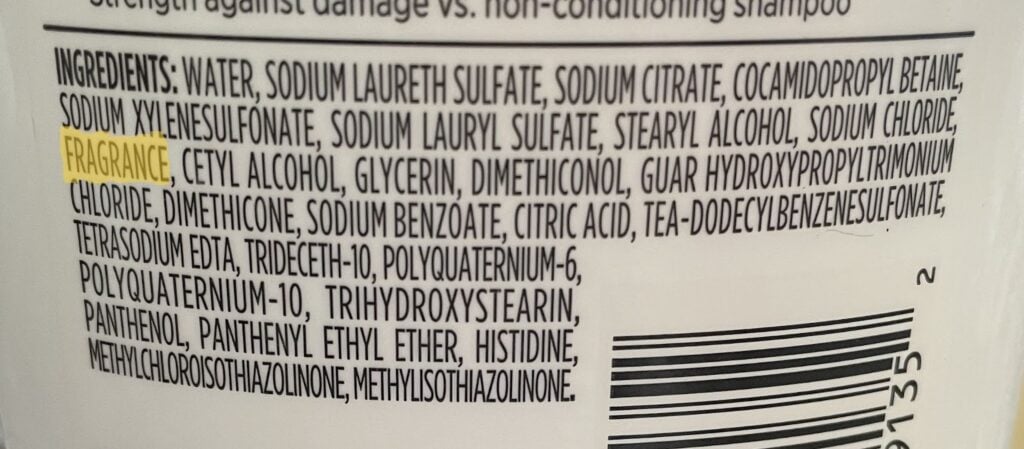
I used to grab Old Spice body wash without thinking twice, until I actually sat down with the ingredient list, and with my background in toxicology and environmental science, realized I was coating my skin with a mix of harsh chemicals that I now actively avoid.
As an environmental scientist who tests and monitors many of these same chemicals, I’m very intentional about what I bring into my daily hygiene routine.
Choosing a non-toxic body wash is a simple and high impact swap to lower your everyday exposure without sacrificing effective cleansing.
Why Choosing a Non Toxic Body Wash Matters
Your body wash covers more surface area than almost any other personal care product. You use it on your entire body, often every single day. That means whatever is in it has repeated opportunities to interact with your skin barrier.
Conventional body washes often rely on synthetic fragrance, harsh sulfates, and preservative systems that can irritate skin, trigger allergies, and introduce ingredients linked to hormone disruption, reproductive/developmental toxicity, and even cancer, all while sending persistent chemicals into the environment.
Who This Guide is For
If you’re striving for a cleaner, low-tox lifestyle, whether your skin’s on the sensitive side, you’re avoiding hormone disruptors, or you just want products that are gentler on you and the planet, this guide is for you.
Every body wash here is something I’d genuinely feel good using in my own home.
What to Look For in a Non-Toxic Body Wash
Rather than only focusing on what to avoid, here’s what I actively look for in a body wash.
Gentle, plant-based surfactants
Coco-glucoside, decyl glucoside, lauryl glucoside, sodium cocoyl isethionate, and other glucoside or isethionate surfactants that cleanse effectively without aggressively stripping the skin barrier.
These tend to be milder than traditional sulfates, making them a better fit for sensitive, dry, or compromised skin.
Supportive moisturizers and humectants (water-attracting ingredients that help keep skin hydrated)
Glycerin, aloe vera, oat extract, panthenol, and plant oils/butters (like jojoba, sunflower, and shea) to help keep skin comfortable after cleansing.
These ingredients draw water into the skin and replenish lipids, the natural fats in your skin that help seal in moisture, so your skin feels soft and calm instead of tight or squeaky.
Fragrance-free or clearly labeled essential oils
Fragrance-free is usually best for very reactive or sensitized skin, since it reduces a major source of irritation.
If there is scent, I want to see specific essential oils named (like lavender oil or sweet orange oil) rather than a vague “fragrance/parfum,” so I know exactly what’s in contact with my skin and can avoid known triggers.
pH-balanced formulas
Products designed to be close to the skin’s natural pH (roughly 4.5–5.5) are generally less disruptive to the microbiome and barrier than very alkaline soaps.
A well-formulated, pH-balanced cleanser is less likely to leave skin feeling tight, contribute to irritation, or worsen issues like dryness and barrier damage over time.
Third-party certifications
Labels like EWG Verified, MADE SAFE, or EPA Safer Choice show that the product’s ingredients and manufacturing practices have been independently reviewed for safety and environmental standards.
EWG Verified is one of my favorite marks to look for because it tells me a brand is serious about clean, transparent ingredients.
| Certification | What It Means | Why It Matters for Body Wash |
| EWG Verified | Meets Environmental Working Group criteria for health and transparency. | Screens out many ingredients linked to health or environmental concerns; requires full disclosure. |
| MADE SAFE Certified | Screened against a long list of known/suspected harmful chemicals. | Very conservative standard; avoids many endocrine disruptors, carcinogens, and reproductive toxicants. |
| EPA Safer Choice | Meets EPA standards for safer chemical ingredients and performance. | Focuses on surfactant safety, biodegradability, and overall formula profile while still cleansing well. |
| USDA Certified Biobased | Contains a verified percentage of plant/bio-based content. | Signals fewer petrochemical-derived ingredients and more renewable, plant-based inputs. |
How to Tell if a Body Wash is ACTUALLY “Non-Toxic“
When I say non-toxic body wash, I’m not talking about marketing buzzwords, I mean formulas that take a genuinely cautious approach to ingredient safety and environmental impact. Here’s what that looks like:
No synthetic fragrance or vague “parfum”
These can hide dozens of undisclosed chemicals, such as parabens and phthalates, that may irritate skin or disrupt hormones.
No harsh sulfates like SLS or SLES (sodium lauryl/laureth sulfate)
They create big lather, but can strip your skin’s natural barrier, leaving it dry and reactive.
No parabens, formaldehyde releasers, or unnecessary antibacterials
These preservatives can increase exposure to endocrine disruptors or promote antimicrobial resistance without offering real benefits for daily cleansing.
Minimal or no synthetic dyes and colorants
Sure, bright colors might look nice in the bottle, but they don’t actually do anything for your skin and can trigger irritation if you’re sensitive.
A short, transparent ingredient list
You should be able to look at the label and recognize most of what’s in there, like simple plant oils, gentle cleansers, and basic moisturizers, without feeling like you need a chemistry degree to figure it out.
Quick science note: A study in the International Journal of Hygiene and Environmental Health found that many people are already trying to avoid certain chemicals in their products, and those who steered clear of parabens, triclosan, and synthetic fragrance were about twice as likely to fall into the group with the lowest overall levels of these chemicals in their bodies.
| Ingredient | Why Avoid It |
| Triclosan or other antibacterial additives | Unnecessary for regular cleansing. Linked to endocrine disruption, antibiotic resistance, and toxicity to aquatic organisms. |
| Synthetic fragrance or “parfum” | A blanket term that can hide phthalates and dozens of undisclosed chemicals tied to allergies, headaches, hormone disruption, and asthma. Best to avoid entirely. |
| SLS/SLES (sodium lauryl/laureth sulfate) | Harsh cleansing agents that can strip natural oils, weaken the skin barrier, and trigger irritation, especially for eczema, psoriasis, or sensitive skin. |
| Parabens (methyl-, propyl-, butylparaben, etc.) | Common preservatives detected in human tissues; linked in studies to potential endocrine-disrupting effects. |
| Formaldehyde releasers (DMDM hydantoin, quaternium‑15, imidazolidinyl urea, diazolidinyl urea, etc.) | These slowly emit small amounts of formaldehyde, a known carcinogen and respiratory irritant that can cause skin sensitization over time. |
| Artificial dyes (FD&C or D&C colors) | Added only for appearance. Offer no cleansing benefit and can contribute to irritation or allergic reactions, particularly in sensitive skin. |
Related Reading
- What is Fragrance Made of? Ingredients List & Health Risks
- What are Parabens & Why are They Bad? From a Scientist
- What to Avoid: Artificial Dyes
- What are Phthalates? Pronunciation and Definition
My Top 7 Best Overall Non-Toxic Body Wash Picks
Here are the seven non-toxic body washes that best meet my criteria for safer ingredients, gentle cleansing, and real-world usability.
1. WHOLENATURALS Castile Soap Liquid Unscented, EWG Verified & Certified Palm Oil Free, Pure, Natural, Mild & Gentle Non‑GMO & Vegan – Organic Body Wash, Laundry, Pet/Dog and Baby Soap – 64 fl oz

Amazon Rating: 4.7 out of 5.0 (11,370 ratings)
Certifications: EWG Verified ✅
Fragrance: Unscented ✅
This castile soap is an unscented, concentrated formula made from organic plant oils, with no synthetic fragrance, dyes, parabens, or SLS/SLES.
It’s EWG Verified and palm‑oil‑free, and can be diluted for use as a body wash, hand soap, or even household cleaner, which is ideal if you like minimal, multi‑purpose products.
I personally use this product in the shower (a couple of undiluted drops on a washcloth) and also for hand soap and the occasional household cleanup.
Because it’s a true castile‑style soap, it’s more alkaline (higher pH, less acidic) than typical body wash.
If you have very dry skin you may want to dilute it (recommended ratio is 1 part soap to 4 parts water in a foaming dispenser) and follow with a simple moisturizer.
Best for: Minimalists and low‑waste households that want one unscented, EWG‑Verified soap they can use head‑to‑toe and around the house.
2. ATTITUDE Body Wash, EWG Verified Shower Gel, Dermatologically Tested, Plant and Mineral-Based, Vegan Personal Care Products, Orange Blossom & Eucalyptus, 32 Fl Oz
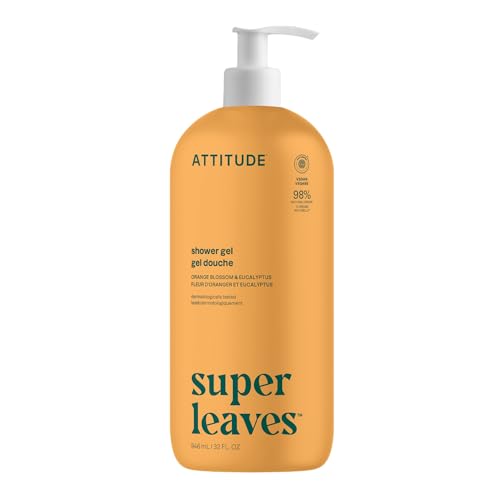
Amazon Rating: 4.4 out of 5.0 (5,359 ratings)
Certifications: EWG Verified ✅
Fragrance: Fragrance-free ✅
ATTITUDE’s Sensitive Skin Body Wash is a gentle, fragrance-free formula made with plant and mineral-based surfactants plus skin‑soothing ingredients, designed specifically for dry, reactive, or eczema-prone skin.
It skips synthetic fragrance, SLS/SLES, parabens, dyes, and formaldehyde-releasing preservatives, leaning instead on milder surfactants that cleanse without leaving skin feeling tight.
Because it’s EWG Verified, every ingredient has been screened against a list of health and environmental criteria, which makes this a strong “set it and forget it” option if you want an easy, low‑tox swap for the shower.
Best for: Very sensitive or eczema-prone skin that needs fragrance-free, everyday body wash.
3. Natural Body Wash for Sensitive Skin, 16 oz – Sea Buckthorn & Bergamot Scent, 98.9% Plant‑Derived, EWG Verified, Hypoallergenic, Paraben‑Free, Sulfate‑Free, Cruelty‑Free
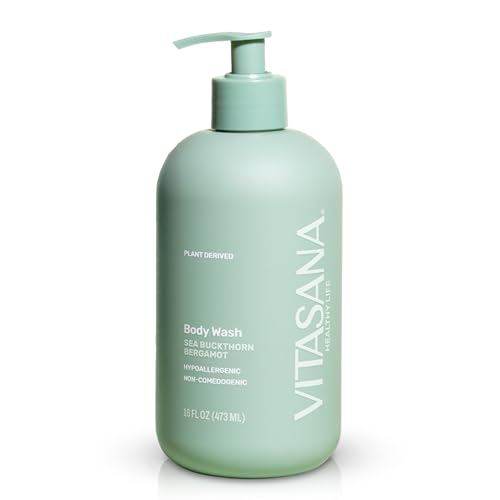
Amazon Rating: 4.3 out of 5.0 (200 ratings)
Certifications: EWG Verified ✅
Fragrance: Scented with essential oils (sea buckthorn & bergamot) ✅
This Vitasana body wash uses 98.9% plant‑derived ingredients, combining gentle surfactants with sea buckthorn and bergamot essential oils for a lightly citrusy, spa‑like scent without synthetic “fragrance” or phthalates.
It’s sulfate‑free, paraben‑free, and formulated to be hypoallergenic, making it a nice middle ground if you want something non-toxic that still feels like a treat in the shower.
The EWG Verified mark gives extra peace of mind around ingredient screening, while the formula’s added plant oils help keep skin from feeling stripped.
Best for: Sensitive‑skin users who still want a light, essential‑oil scent instead of going fully fragrance‑free.
4. Ingreendients Moisturizing Body Wash For Sensitive, Dry & All Skin Types – pH Balanced, Natural, Organic, Non-Toxic, Vegan, Sulfate-Free, Paraben-Free, Gluten-Free (16 fl oz)

Amazon Rating: 4.6 out of 5.0 (415 ratings)
Certifications: No major third‑party seals listed
Fragrance: Plant essential oils. No synthetic ingredients ✅
Ingreendients’ body wash is built around a pH‑balanced, sulfate‑free surfactant system with a strong focus on organic and naturally derived ingredients, so it’s gentler on the barrier than typical SLS/SLES formulas.
It’s free from parabens, synthetic dyes, and formaldehyde‑releasing preservatives, and it’s also vegan and gluten‑free, which can matter if you’re avoiding certain allergens.
With added moisturizers and plant‑based ingredients, this one is designed to leave skin feeling soft rather than squeaky, making it a solid “every shower” option for dry or combination skin.
Best for: Dry or combination skin that needs a moisturizing, pH‑balanced wash without harsh sulfates.
5. California Naturals Body Wash for Women and Men, Vitamin E Shower Gel Cleanser, Natural, Vegan & Cruelty Free, Paraben & Sulfate Free, Moisturizing Skin, Coconut, 16.5 fl oz

Amazon Rating: 4.4 out of 5.0 (444 ratings)
Certifications: No major third‑party seals listed
Fragrance: Food-grade coconut fragrance is generally considered low-risk, but it still falls under the “fragrance” umbrella.
California Naturals’ coconut body wash is a good fit if you want a more conventional, lathery shower gel feel without the typical harsh ingredients.
It avoids parabens and sulfates, relies on milder surfactants, and adds vitamin E plus moisturizing components to help keep skin comfortable.
The coconut scent gives it a beachy vibe, but because it’s still a scented formula, it’s better for people who tolerate fragrance rather than those with very reactive skin.
Best for: People who want a more “fun,” coconut‑scented body wash that’s still free from sulfates and parabens.
6. The Honest Company 2-in-1 Cleansing Shampoo and Body Wash for Sensitive Skin, Tear‑Free, Hypoallergenic with Naturally Derived Ingredients, Fragrance‑Free, 10 fl oz

Amazon Rating: 4.7 out of 5.0 (45,518 ratings)
Certifications: USDA Certified Biobased ✅
Fragrance: Fragrance-free ✅
This 2‑in‑1 shampoo and body wash is formulated for babies and sensitive skin, but it works just as well as a low‑tox body wash for adults who want something extremely simple and fragrance‑free.
It uses gentler surfactants than traditional SLS/SLES formulas, skips synthetic fragrance and dyes, and is designed to be tear‑free and hypoallergenic.
Because it’s marketed for little ones, the ingredient profile tends to be more conservative than a typical adult scented gel, which is exactly what many sensitive‑skin households are looking for.
Best for: Families and ultra‑sensitive users who want one fragrance‑free wash for both hair and body.
7. Aleavia Body Cleanse – Organic & All‑Natural Prebiotic Body Wash – Fragrance‑Free and Sulfate‑Free Enzymatic Body Cleanser – 16 oz
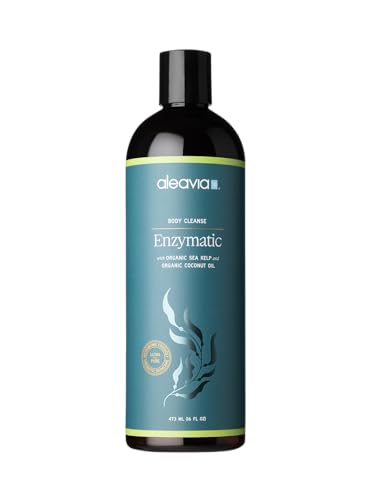
Amazon Rating: 4.5 out 5.0 (2,328 ratings)
Certifications: No major third‑party seals listed
Fragrance: Fragrance-free ✅
Aleavia’s Body Cleanse is a prebiotic, fragrance‑free formula that focuses on feeding beneficial skin microbes rather than stripping them away.
It’s sulfate‑free and avoids synthetic fragrance and dyes, using a very short ingredient list (only seven ingredients) with enzymatic and plant-based components that are designed to be gentle on reactive or compromised skin.
If you’re interested in microbiome‑supportive products and want something that feels more like a treatment step than just another wash, this is a strong, low‑tox option to consider.
Best for: Sensitive or microbiome‑focused users who want a fragrance‑free, prebiotic body wash with a very minimalist ingredient deck.
FAQ
Is fragrance-free always better than scented?
For very sensitive, reactive, or eczema‑prone skin, truly fragrance‑free is usually the safest choice because it avoids a major source of irritation and allergy, even from “natural” scents.
If your skin is less reactive, essential‑oil‑scented formulas can be a good middle ground, but they’re still best avoided on compromised skin.
Are sulfates like SLS and SLES always bad?
Sulfates are strong detergents that create big lather but can strip natural oils and weaken the skin barrier, especially with daily use or on dry/sensitive skin.
Some people tolerate them fine, but if you struggle with dryness, itchiness, or eczema, switching to sulfate‑free, milder surfactants is usually a noticeable upgrade.
Can adults use baby body wash?
Gentle baby washes are typically pH‑balanced and formulated without harsh sulfates or strong fragrance, so they can work well for adults with very sensitive skin.
However, they may feel too mild or leave oilier areas under‑cleansed, so many adults do better with products specifically designed for sensitive or dry adult skin.
Do I really need a “non-toxic” body wash if I rinse it off?
Even rinse‑off products contact a large surface area daily, and repeated exposure adds up over time, especially for ingredients like synthetic fragrance, parabens, and certain preservatives.
Choosing gentler, low‑tox formulas is a relatively easy way to reduce that cumulative “body burden” without changing your whole routine.
Is bar soap better or worse than liquid body wash?
It depends on the formula. Some bar soaps are very alkaline and can be more drying than a well‑formulated, pH‑balanced liquid wash, while others use gentle, simple ingredients and perform beautifully.
For sensitive or dry skin, the key is less the format and more the combo of pH, surfactants, fragrance, and preservatives.
Read Next
Top 10 Best Non Toxic Laundry Detergents
Top 5 Best Non Toxic Dishwashing Detergents
Top 5 Best Water Filter Pitchers

The Best Water Filters of 2026 (from a Scientist)

Top 10 Best Non Toxic Cutting Boards

Top 5 Best Non Toxic Dishwashing Tablets & Pods
SLS vs SLES: What’s the Difference?

Top 5 Best Filtered Water Bottles
What is FD&C Red 40 Made of and its Side Effects?
What Is Yellow 5 (Tartrazine) and is it Bad for You?
What Is FD&C Blue 1 and is it Bad for You?
What are Parabens & Why are They Bad? From a Scientist

PFAS: Meaning, Definition, and How to Avoid
What are Phthalates? Pronunciation and Definition

What is Fragrance Made of? Ingredients List & Health Risks