Derek Ma, MSc
If you’re an avid hiker, a weekend backpacker, or a cautious traveler in the backcountry, this guide will help you match the right backpacking water filter to your trip length, group size, and the specific microbes or chemicals you actually need to worry about.
With a background in environmental science, I’ve spent years studying everything from microbes to PFAS and microplastics.
I grew up as a Boy Scout, which taught me early on how valuable clean water is when you’re miles from the nearest trailhead.
These days, I professionally test drinking water for microbiological contamination, and that mix of lab experience and real backpacking miles is exactly what I draw on when recommending the best backpacking water filters.
In this article, I’ll break down the main types of backpacking water filters, who they’re best for, and specific filter recommendations that actually work in the field.
Why You Need a Backpacking Water Filter
When you drink straight from streams, lakes, or springs, you risk exposure to bacteria (like E. coli), protozoa (Giardia, Cryptosporidium), and sometimes viruses, along with sediment and microplastics.
Even in pristine‑looking alpine water, wildlife, upstream campers, and livestock can introduce fecal contamination.
A good filter reduces gastrointestinal illness risk, keeps you hiking instead of sick in your tent, and can improve taste by removing sediment and some organic matter.
Here are some of the most common microbes and other biological hazards you can encounter in “clean‑looking” freshwater streams and rivers, plus where they come from and what kinds of illness they can cause.
| Organism / issue to watch for | Where it comes from | Typical symptoms if you get sick |
| Fecal indicator bacteria (E. coli, total coliforms, Enterococci) | Feces from wildlife, livestock, humans, failing septic systems upstream | Diarrhea, stomach cramps, nausea, vomiting; can be more severe in kids, older adults, and immunocompromised people |
| Pathogenic bacteria (Campylobacter, Salmonella, Shigella) | Animal or human waste contaminating streams and rivers, often near grazing areas or heavily used recreation sites | Acute gastroenteritis: diarrhea (sometimes bloody), fever, abdominal pain, dehydration |
| Protozoan parasites (Giardia, Cryptosporidium) | Cysts shed in feces from infected humans or animals; very persistent in cold surface water | Watery diarrhea, gas, bloating, fatigue, weight loss; symptoms can last weeks without treatment |
| Viruses (Norovirus, Hepatitis A, Rotavirus – less common in remote US backcountry) | Human sewage or very heavy human use areas, poor sanitation, some international destinations | Sudden vomiting, watery diarrhea, fever, body aches; can spread quickly through groups |
| Opportunistic / environmental bacteria (Pseudomonas, some Legionella, other environmental species) | Biofilms on rocks and sediment, slow‑moving or warm water; some are more of an issue in built water systems than raw streams | Usually low risk for healthy hikers, but can cause infections in people with open wounds or weakened immunity |
| Cyanobacteria and their toxins (blue‑green algae, microcystins, etc.) | Warm, nutrient‑rich lakes, reservoirs, and slow stretches of rivers, especially near agricultural or urban runoff | Skin irritation; potential liver or nervous system effects depending on toxin and dose; pets are particularly vulnerable |
| General microbial load / biofilm fragments (mixed native freshwater bacteria, algae, biofilm pieces) | Naturally occurring microbial communities present in essentially all surface waters | Often no specific illness, but higher microbial loads increase the chance of encountering pathogens and can cause turbidity and off‑tastes |
No standard backpacking filter will reliably remove dissolved chemicals like PFAS or pesticides.
If you have a fixed basecamp, consider using a PFAS and a chemical reducing countertop or pitcher filter to treat your source water before filling bottles or reservoirs, then rely on your backpacking filter for microbes once you’re away from camp.
If you want to dive deeper into water filter pitchers and filtered water bottles and how they work, check out my dedicated guides and recommendations on water filter pitchers and filtered water bottles.
Types of Backpacking Water Filter Treatments
1. Backpacking Squeeze Water Filters (hollow‑fiber microfilters): Sawyer Squeeze Water Filtration System

Squeeze filters that use hollow‑fiber microfilters are lightweight, hand‑powered water filters where you push water through bundles of tiny porous “straws” to strain out microbes and particulates.
How they work:
- The filter element is a bundle of hollow polymer fibers that look like tiny drinking straws packed inside a housing.
- Each fiber wall has microscopic pores (often around 0.2 microns) that let water pass but block bacteria, protozoa, and many microplastics by size exclusion.
- In a squeeze setup, you fill a soft bag with raw water and manually squeeze it so pressure forces water through the fiber walls and out a clean outlet.
What they remove:
- ✅ Typical hollow‑fiber backpacking filters remove bacteria (for example, E. coli), protozoan cysts (Giardia, Cryptosporidium), and sediment/turbidity.
- ❌ They generally do not reliably remove dissolved chemicals (like pesticides, PFAS, metals) because those are smaller than the pore size and pass through.
- ❌ Most consumer squeeze microfilters are not certified to remove viruses, which are much smaller than the pores and may require ultrafiltration, electroadsorptive media, or disinfection.
Key advantages:
- Very lightweight and compact compared with pump filters or larger gravity systems, because the hollow fibers have very high surface area at low weight.
- Fast flow for their size when new, since many fibers work in parallel and provide a large effective filtration area.
- Simple operation: no moving mechanical pump parts; you just fill a bag and squeeze.
When a squeeze hollow‑fiber filter is a good choice
- Best suited for: backcountry trips where microbial contamination is the main concern, water sources are reasonably abundant, and you value low weight and simplicity.
Other Top-Rated Squeeze Filters:

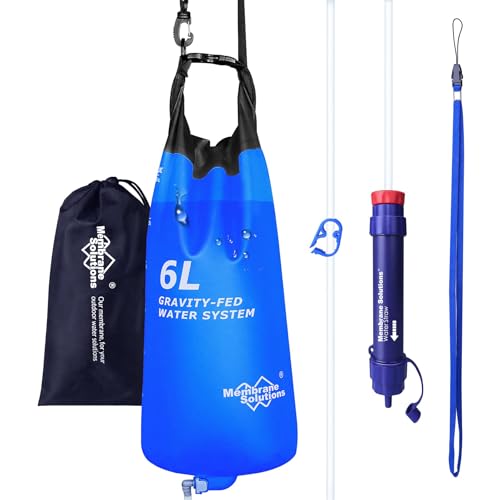
2. Backpacking Gravity Water Filters (hollow‑fiber or mixed‑media systems): Platypus GravityWorks Group Camping Water Filter System

Gravity filters are low-effort water treatment systems that use gravity to pull water through a filter element—ideal for camp setups or groups where convenience and volume matter more than ultralight minimalism.
How they work:
- A gravity filter has two main reservoirs: a “dirty” water bag (hung higher) and a “clean” bag or bottle (set lower).
- The filter—often a hollow‑fiber cartridge—is placed inline between them.
- When the dirty bag hangs, gravity creates a gentle pressure head that draws water through the fibers or media and out into the clean container.
What they remove (and what they do not):
Gravity filters with hollow‑fiber membranes typically remove:
- ✅ Bacteria (E. coli, Salmonella)
- ✅ Protozoan parasites (Giardia, Cryptosporidium)
- ✅ Sediment, silt, and microplastics larger than about 0.2 µm
They generally do not remove:
- ❌ Viruses (much smaller than the pores)
- ❌ Dissolved contaminants such as pesticides, PFAS, metals, or fertilizers
Key advantages:
- Effortless operation: Once set up, gravity does the work—ideal for larger volumes or group use at camp.
- High capacity: Larger reservoirs mean easier bulk treatment for cooking, refilling bottles, or group supply.
- Modular setups: Many filter elements are compatible with various bags, hoses, or bottles for flexibility.
- Low mechanical complexity: Fewer moving parts than pump filters, reducing risk of breakage in the field.
When a gravity filter is a good choice:
- Best suited for: campsites, group backpacking, or long stays near water where effortless, high-volume treatment is preferable.
- Excellent for clear to moderately turbid freshwater sources with primarily microbial concerns.
Other Top-Rated Backpacking Gravity Filter:
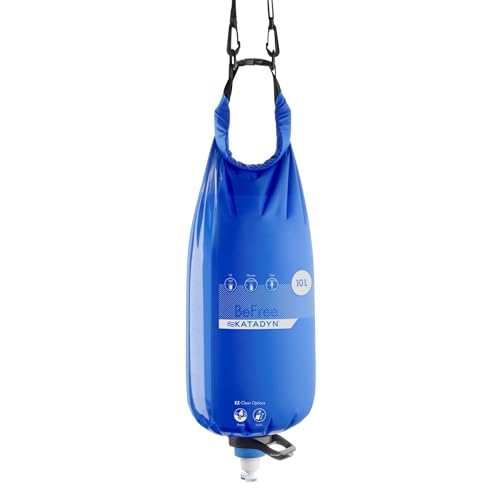
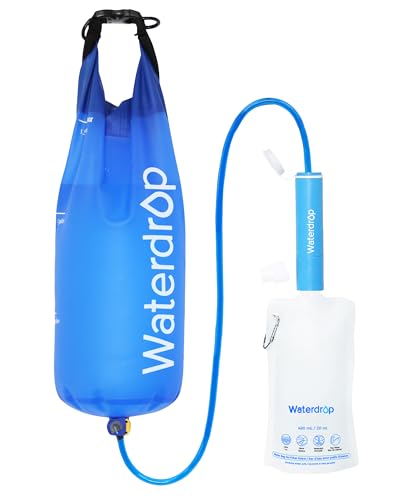
3. Backpacking Hand-Pump Water filters (mechanical microfilters): Katadyn Hiker Pro Hand Pump Water Filter for Backpacking, Camping, Emergency Survival

Pump filters are hand‑powered filtration systems that use a mechanical pump to draw water through a filter element—ideal when you need to pull water from shallow or hard‑to‑reach sources and want faster filtration control.
How they work:
- A pump filter consists of an intake hose (placed in the raw water source), a hand pump, and a filter cartridge—commonly made of hollow‑fiber membranes or micro‑porous media such as ceramic or glass fiber.
- When you manually operate the pump, pressure forces water through the filter’s microscopic pores (typically around 0.2 µm), which physically trap microorganisms and particulates.
- A clean outlet hose delivers the filtered water into a bottle or reservoir.
What they remove (and what they do not):
Most pump filters remove:
- ✅ Bacteria (e.g., E. coli, Salmonella)
- ✅ Protozoan cysts (Giardia, Cryptosporidium)
- ✅ Sediment and other suspended particles
They generally do not remove:
- ❌ Viruses (too small for microfilter pores)
- ❌ Dissolved contaminants such as PFAS, pesticides, heavy metals, or fertilizers
Key advantages:
- Positive pressure control: Pumping gives consistent water flow even from shallow puddles, seeps, or low‑lying sources.
- Fast flow rate: Many models deliver higher throughput than gravity filters, depending on user effort.
- Versatile use: Works with nearly any water source depth or container; no need to hang bags or rely on gravity.
When a pump filter is a good choice:
- Best suited for: solo or small‑group backcountry trips where water sources are shallow, silty, or require active suction; situations demanding reliable, fast flow on demand.
Other Top-Rated Pump Water Filters:


4. Backpacking Bottle Water Filters: GRAYL GeoPress 24 oz Water Purifier Bottle – Filter for Hiking, Camping, Survival, Travel

Bottle filters combine water collection and filtration into a single, portable container—ideal for solo hikers, travelers, or everyday use when convenience and simplicity matter most.
How they work:
- A filter element (usually hollow‑fiber or activated carbon) is built into the bottle’s cap, straw, or insert.
- You fill the bottle with untreated water, then either squeeze, suck, or sip through the mouthpiece.
- Suction or gentle pressure pulls water through the filter media and into your mouth or into a separate clean chamber.
- Some designs are modular, allowing the filter cartridge to detach and connect to hydration bladders or inline gravity setups, adding versatility for backcountry or travel use.
What they remove (and what they do not):
Typical bottle filters remove:
- ✅Bacteria (e.g., E. coli, Salmonella)
- ✅Protozoa (Giardia, Cryptosporidium)
- ✅Sediment, silt, and visible particles
They generally do not remove:
- ❌ Viruses (without specialized ultrafiltration or electroadsorptive media)
- ❌ Dissolved contaminants such as PFAS, pesticides, metals, and most industrial chemicals
Key advantages:
- All‑in‑one convenience: Collect, filter, and drink from the same bottle—no separate hoses or bags.
- Lightweight and compact: Especially appealing for minimalist travelers or daily carry.
- Fast access: Delivers clean water immediately through sipping; no setup or waiting required.
- Travel‑ready: Many models fit in airplane carry‑ons and are useful for questionable tap water when abroad.
When a bottle filter is a good choice:
- Best suited for: solo users on short backpacking trips, travelers needing protection from microbial risks in tap or natural water, and day hikers wanting quick hydration without setup gear.
5. Backpacking Straw Water filters (personal hollow‑fiber filters): LifeStraw Personal Water Filter
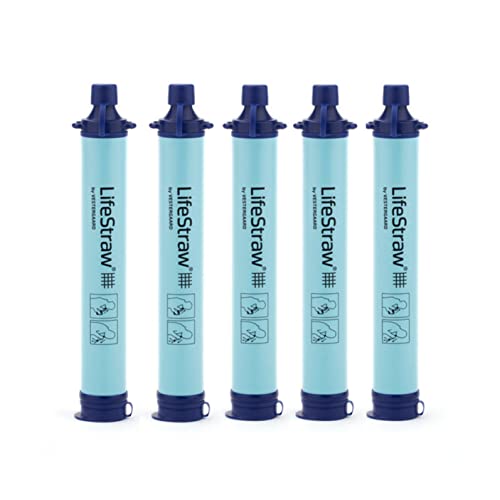
Straw filters are minimalist, direct‑drink filtration devices that let you sip clean water straight from a stream, bottle, or cup—perfect for emergency kits and ultralight backup use.
How they work:
- A straw filter is a compact tube packed with hollow‑fiber membranes or other microfilter media.
- When you place one end into untreated water and suck through the mouthpiece, your suction pressure forces water through the fiber walls, which trap microorganisms and particulates by size exclusion.
What they remove (and what they do not)
Straw‑style filters typically remove:
- ✅ Bacteria (e.g., E. coli, Salmonella)
- ✅ Protozoan parasites (Giardia, Cryptosporidium)
- ✅ Sediment, silt, and other particulates larger than about 0.2 µm
They generally do not remove:
- ❌ Viruses (much smaller than the pores)
- ❌ PFAS, pesticides, metals, or other dissolved chemicals
Key advantages:
- Extremely lightweight and compact: Among the lightest filtration options available.
- Immediate use: No setup—just dip and drink; great for fast-moving or emergency situations.
- Low cost: Simple design keeps price and maintenance requirements minimal.
- Reliable backup: Handy secondary option if your main filter fails or clogs.
When a straw filter is a good choice:
- Best suited for: emergency preparedness kits, minimalist hikers, or backup field gear where weight savings and simplicity are priorities.
| Filter type | Best for | Best products |
| Squeeze filter | Ultralight solo/duo; thru‑hiking | Sawyer Squeeze |
| Gravity filter | Groups; camp use | Platypus GravityWorks, Katadyn Gravity BeFree |
| Pump filter | Silty/shallow sources; reliability | Katadyn Hiker Pro, MSR Guardian |
| Bottle purifier | International travel + viruses | GRAYL GeoPress |
| Straw filter | Emergency/backup, ultralight | LifeStraw Peak |
Care and Maintenance of Backpacking Water Filters:
1. Squeeze filters (hollow‑fiber)
- During trips:
- Pre‑filter very silty water through a bandana/coffee filter to slow clogging.
- Backflush with clean water whenever flow noticeably slows; use a syringe or compatible bag to reverse the flow through the outlet.
- Keep caps on when not in use to avoid dirt and biofilm on the clean side.
- In freezing conditions, sleep with the filter in a pocket or sleeping bag so a wetted element doesn’t freeze.
- After trips / off‑season:
- Thorough backflush until water runs clear and flow is restored as much as possible.
- Optionally soak in warm (not boiling) water and, if the manufacturer allows, a brief dilute vinegar soak to help dissolve mineral scaling.
- Sanitize with a mild bleach solution (about a capful per liter) pushed through the normal direction, then flush with clean water.
- Store per manufacturer guidance—either slightly wet in a breathable bag or fully air‑dried—avoiding sealed, moist, warm conditions that encourage microbial growth.
2. Gravity filters
- During trips:
- Hang the dirty bag high enough, avoid hose kinks, and keep the clean bag lower to maintain a good head of pressure.
- Use a bandana/pre‑filter or let sediment settle in a pot before filling the dirty bag.
- Backflush or “shake‑clean” the cartridge whenever flow slows (e.g., Platypus QuickDraw, Katadyn BeFree‑style cleaning).
- Protect the wet filter from freezing overnight just like squeeze filters.
- After trips / off‑season:
- Backflush thoroughly with clean water to remove trapped silt and organics.
- Sanitize with a dilute bleach solution, then flush with clean water to minimize taste.
- Dry bags and hoses completely to prevent mold; store cartridges per brand instructions (often cool, out of direct sun, either dry or damp‑stored).
3. Hand‑pump filters
- During trips:
- Use the supplied intake pre‑filter and avoid obviously muddy or algae‑rich water when you have a better option.
- Pump with steady, moderate strokes; if resistance spikes suddenly, stop and clean rather than forcing it.
- In freezing weather, drain the housing as much as possible and keep the unit insulated when not in use.
- After trips / off‑season:
- Run clean water through to flush out debris, then a mild bleach solution to sanitize internal pathways, followed by a clear‑water rinse.
- For ceramic elements, scrub per manufacturer instructions to restore flow; for hollow‑fiber/glass fiber, follow backflush or rinse guidance.
- Disassemble hoses and housing to dry thoroughly, then store in a dry, cool place with hoses loosely coiled.
4. Bottle filters and purifiers
- During trips:
- Avoid scooping heavily turbid water directly; pre‑filter or let sediment settle first.
- Follow brand‑specific backwash or “blow‑back” instructions (e.g., LifeStraw Peak squeeze bottles recommend blowing air back to clear the membrane).
- Don’t exceed recommended press force or sip force—if it’s getting very hard, that’s a sign to clean or replace the cartridge.
- Keep cartridges from freezing once wet.
- After trips / off‑season:
- Rinse bottle and cartridge with clean water; do any brand‑recommended backflush/air‑blow to remove residual water.
- Sanitize internal passages with a weak bleach solution if allowed, then rinse thoroughly.
- Track cartridge life (liters or cycles) and replace once flow remains poor or the rated capacity is reached, even if it “still works.”
- Store bottles dry with caps open so they don’t trap moisture and odors.
5. Straw filters
- During trips:
- Use mainly on clearer sources; very dirty water greatly accelerates clogging and makes suction difficult.
- After drinking, blow air back through the mouthpiece if the manufacturer suggests it to expel residual water and reduce clogging.
- Keep the straw somewhere warm in freezing conditions once it has been wetted.
- After trips / off‑season:
- Rinse by drawing and expelling clean water per instructions, then blow out excess water.
- If the brand permits, sanitize with a weak bleach solution, then flush with clean water.
- Allow to air‑dry in a clean, well‑ventilated place before storage, or follow any “store slightly wet” guidance from the manufacturer.
- Replace the straw once suction effort stays high even after cleaning or when the rated capacity is reached.
FAQ
Do I really need a water filter for backpacking?
Yes. Untreated backcountry water can contain protozoa (Giardia, Cryptosporidium), bacteria (E. coli, Campylobacter), and sometimes viruses; treatment greatly reduces risk of GI illness.
What’s the difference between a filter and a purifier?
Filters remove protozoa and bacteria using physical barriers (often 0.1–0.2 µm). Purifiers also address viruses via finer filtration, chemical treatment, or UV.
Do I need virus protection in North America?
For most U.S./Canadian backcountry trips, protozoa and bacteria are the main concern, and a filter is typically considered sufficient, though some hikers now add virus treatment on crowded long trails.
What should a backpacking filter remove?
Look for claims of ≥99.9% removal of protozoa and ≥99.99% removal of bacteria; most hollow‑fiber backpacking filters meet or exceed these levels.
Read Next
Top 5 Best Water Filter Pitchers

Top 4 Best Reverse Osmosis Water Filters
The Best Water Filters of 2026 (from a Scientist)

The Truth About Microplastics in Bottled Water
Top 10 Best Non Toxic Laundry Detergents

Top 5 Best Non Toxic Dishwashing Detergents

Top 5 Best Non Toxic Hand Soaps

Top 7 Best Non Toxic Body Washes


Top 5 Best Filtered Water Bottles
Top 10 Best Non Toxic Cutting Boards

Top 5 Best Stainless Steel Baking Sheets

What is FD&C Red 40 Made of and its Side Effects?

What Is Yellow 5 (Tartrazine) and is it Bad for You?
What Is FD&C Blue 1 and is it Bad for You?
What are Parabens & Why are They Bad? From a Scientist

PFAS: Meaning, Definition, and How to Avoid

What are Phthalates? Pronunciation and Definition

What is Fragrance Made of? Ingredients List & Health Risks