Derek Ma, MSc

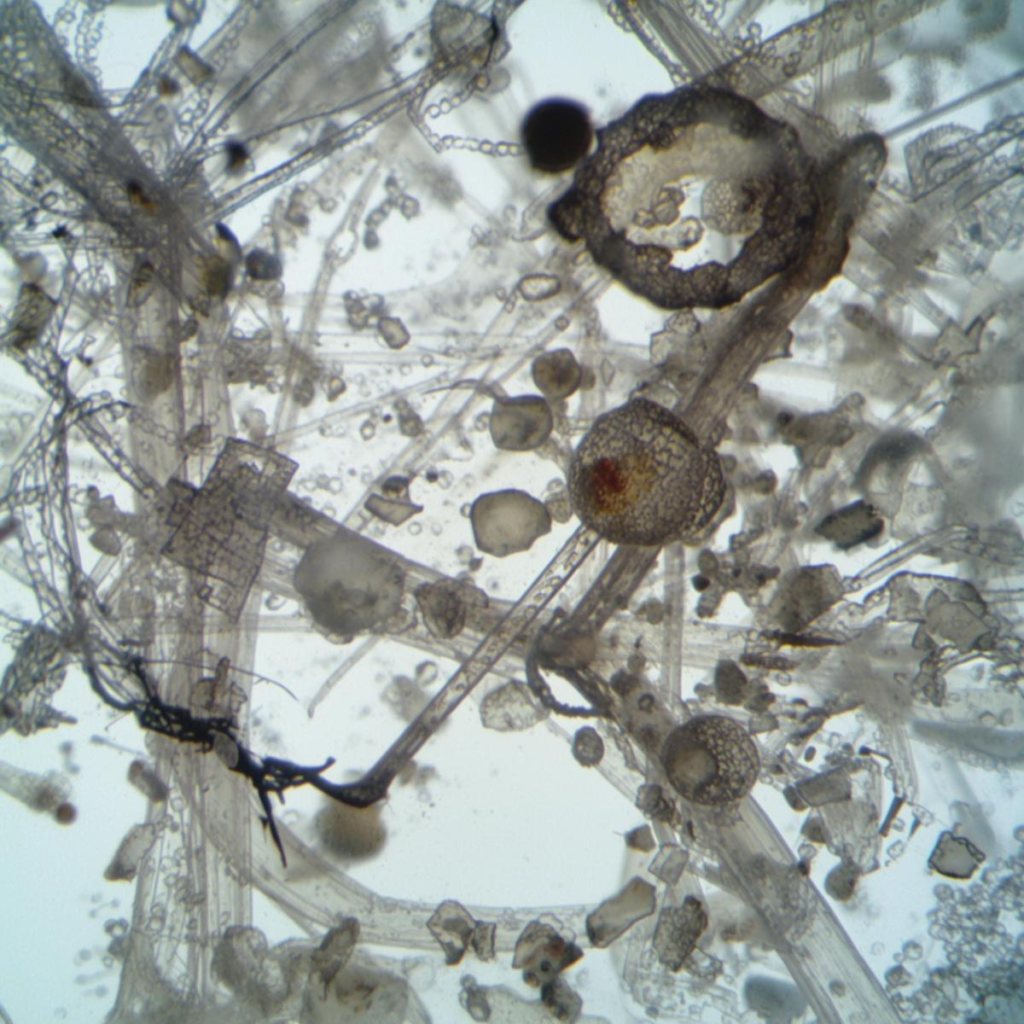
When I was studying environmental science in college, I remember the moment microplastics stopped being just a buzzword and became something real—I could literally see them under the microscope. In just one drop of water, there were bright little fibers and fragments, tiny bits of plastic broken down over time.
Everyday items like synthetic clothing, packaging, tires, and takeout containers shed these particles, which wash into rivers, lakes, and oceans, where they never really disappear, just break into smaller and smaller pieces.
Microplastics have moved from “out of sight, out of mind” to a real contaminant showing up in drinking water, the food chain, and even human tissues.
Every time you take a sip of water, you might be swallowing invisible plastic dust—tiny particles that can build up in your body and carry chemicals linked to inflammation and other health risks.
What are microplastics?
Microplastics are tiny plastic fragments and fibers, smaller than about 5 millimeters, that end up in rivers, lakes, oceans, and even tap and bottled drinking water. (1🍃)
Even tinier “nanoplastics” (less than 1 micrometer) can form as microplastics continue to break down.
These microplastics and nanoplastics come from both intentionally small plastics (like cosmetic microbeads and synthetic fibers) and the breakdown of larger plastic items such as bottles, bags, and packaging. (2🍃)
Why are microplastics a health concern?
Microplastics are tiny bits of plastic that act like little sponges for chemicals, bringing their own additives—such as plastic softeners and flame retardants—into the environment while also picking up pollutants already in the water, like PCBs and heavy metals, and holding them at higher levels than the surrounding water. (4🍃)
Aquatic organisms can ingest these particles, which may lead to physical harm and transfer of chemicals through the food web, potentially reaching humans via seafood and drinking water. (5🍃)
Invisible microplastic and nanoplastic particles in bottled water
A recent AP article on bottled water found that a single liter can contain tens—or even hundreds of thousands—of microscopic plastic particles when researchers use more advanced imaging and AI to count them.
These tiny fragments are small enough to move through the gut and come into contact with sensitive tissues, where lab and animal studies suggest they can trigger inflammation, oxidative stress, and cell damage. (5🍃)
What is known about the health risks of microplastics and nanoplastics?
For drinking water, current evidence suggests larger microplastics mostly pass through the gut, and overall health risks at typical exposure levels are still being evaluated. (10🍃)
There is growing concern about nanoplastics, which are small enough to interact with cells and tissues, but research on actual human health effects is still limited and ongoing.
The World Health Organization (WHO) and recent critical reviews suggest that, for now, overall health risk from microplastics in drinking water is considered low, but this is based on limited evidence and big data gaps, especially for nanoplastics. (10🍃)
How to reduce your exposure to microplastics and nanoplastics
You can’t completely avoid microplastics and nanoplastics yet, but you can meaningfully lower how much you drink every day by combining better water choices with smarter plastic use.
People who drink mostly plastic‑bottled water likely ingest many more microplastics and nanoplastics over a lifetime than people who mainly drink tap water, so you can lower your exposure by drinking less bottled water, carrying water in a reusable glass or stainless steel bottle, and then using a high‑quality point‑of‑use filter for the water you do drink at home.
Prioritizing high‑quality filtration is one of the most effective steps: point‑of‑use filters that use membrane technologies (like microfiltration or ultrafiltration, often combined with carbon and ion exchange) have been shown to remove a large share of plastic particles from drinking water, especially the larger microplastic range. (9🍃)
“Reverse osmosis” is one of the best water filtration methods that can be installed into your home as a countertop system, or under-sink system in the kitchen as well. You can check my personal recommendations for best reverse osmosis water filters.
According to a 2023 laboratory study on common pour‑through point‑of‑use filters, not all pitchers perform the same when it comes to microplastics.
Overall, the researchers concluded that point‑of‑use filters with a true membrane barrier—especially those with smaller pore sizes around 0.2 micrometers—are much more effective for microplastic removal than carbon‑only designs. (9🍃)
If you want help choosing a setup, there are separate guides that break down the data and certifications for different formats, including the best water filter pitchers, best filtered water bottles, and best water filters in general.
Where are microplastics found?
Microplastics have been detected in freshwater bodies worldwide (rivers, lakes, wetlands) and in the ocean, where they can accumulate in slow‑flow or low‑current zones.
Studies show they are present in both tap water and bottled water, with some bottled waters containing hundreds of plastic particles per liter. (3🍃)
How microplastics get into water
Microplastics enter water through surface runoff, wastewater discharges, industrial effluent, degraded litter, and even plastic particles carried by air and deposited in water. (2🍃)
Everyday sources include synthetic clothing fibers shed in laundry, tire wear particles, cosmetic microbeads, and fragments from bags, bottles, and foam packaging.
FAQ
Do we know the long‑term risks of microplastic exposure?
Long‑term human data are very limited, so expert groups describe the overall risk as uncertain and call for more research, especially for nanoplastics and realistic exposure levels. (10🍃)
Are microplastics in tap and bottled water?
Studies consistently detect microplastics in both tap and bottled water, with bottled water often containing higher particle counts per liter than tap. (11🍃)
Are microplastics regulated in drinking water?
There are currently no global health‑based limits for microplastics in drinking water, though places like California have begun requiring monitoring and method development to support future regulation. (12🍃)
Can you remove microplastics from your body?
There is currently no proven way to “flush out” all microplastics once they are in the body, so the focus is on reducing new intake and supporting the body’s normal elimination and repair systems.
References:
“Baseline Data Needed for Microplastics in Drinking Water.” Life of the Land, 23 Sept. 2025, https://lifeoftheland.org/baseline-data-needed-for-microplastics-in-drinking-water/.
“Microplastics.” Marine Debris Program, National Oceanic and Atmospheric Administration, https://marinedebris.noaa.gov/what-marine-debris/microplastics.
Kye, Homin, et al. “Microplastics in Water Systems: A Review of Their Impacts on the Environment and Their Potential Hazards.” Heliyon, vol. 9, no. 3, 2023, https://doi.org/10.1016/j.heliyon.2023.e14359.
“Researchers Find a Massive Number of Plastic Particles in Bottled Water.” NPR, 10 Jan. 2024, https://www.npr.org/2024/01/10/1223730333/bottled-water-plastic-microplastic-nanoplastic-study.
Weis, Judith S., and Juan José Alava. “(Micro)Plastics Are Toxic Pollutants.” Toxics, vol. 11, no. 11, 2023, article 935, doi:10.3390/toxics11110935.
Kadac-Czapska, Kornelia, et al. “Microplastics and Oxidative Stress—Current Problems and Prospects.” Antioxidants, vol. 13, no. 5, 2024, article 579, doi:10.3390/antiox13050579, pmc.ncbi.nlm.nih.gov/articles/PMC11117644/Microplastics and Oxidative Stress—Current Problems and Prospects – PMC.
Li, Yuting, et al. “Potential Health Impact of Microplastics: A Review of Environmental Distribution, Human Exposure, and Toxic Effects.” Environmental Health, vol. 22, no. 1, 2023, article 69, https://doi.org/10.1021/envhealth.3c00052
Bishop, Brandon, et al. “Micro‑ and Nano‑Plastics Induce Inflammation and Cell Death in Human Cells.” Frontiers in Immunology, vol. 16, 2025, article 1528502, https://doi.org/10.3389/fimmu.2025.1528502.
Wang, Zhihua, et al. “Antioxidant Intervention Against Microplastic Hazards.” Antioxidants, vol. 14, no. 7, 2025, article 797, doi:10.3390/antiox14070797, pmc.ncbi.nlm.nih.gov/articles/PMC12291741/.
Cherian, Ashlyn G., et al. “Microplastic Removal from Drinking Water Using Point-of-Use Devices.” Polymers, vol. 15, no. 6, 2023, article 1331, MDPI, doi:10.3390/polym15061331.
World Health Organization. Dietary and Inhalation Exposure to Nano- and Microplastic Particles and Potential Implications for Human Health. World Health Organization, 2022.
Gambino, Isabella, et al. “Occurrence of Microplastics in Tap and Bottled Water: Current Knowledge.” International Journal of Environmental Research and Public Health, vol. 19, no. 9, 26 Apr. 2022, article 5283, doi:10.3390/ijerph19095283.
References
- EPA confirms health risks of 1,4-dioxane
- Safer Choice | US EPA
- Certification Process – MADE SAFE a program of Nontoxic Certified
- BioPreferred|About
Read Next
Top 5 Best Water Filter Pitchers

Top 4 Best Reverse Osmosis Water Filters
The Best Water Filters of 2026 (from a Scientist)
Top 5 Best Gravity Fed Water Filter Systems
Top 5 Best Filtered Water Bottles
SLS vs SLES: What’s the Difference?
Top 10 Best Non Toxic Laundry Detergents
Top 10 Best Non Toxic Cutting Boards

Top 5 Best Non Toxic Dishwashing Detergents
Top 5 Best Non Toxic Hand Soaps

How to Avoid PFAS Contamination in Drinking Water
What is FD&C Red 40 Made of and its Side Effects?
What Is Yellow 5 (Tartrazine) and is it Bad for You?
What Is FD&C Blue 1 and is it Bad for You?
What are Parabens & Why are They Bad? From a Scientist
PFAS: Meaning, Definition, and How to Avoid
What are Phthalates? Pronunciation and Definition

What is Fragrance Made of? Ingredients List & Health Risks